
Call us now :08071931208
 Send Inquiry
 Send Inquiry
A4 Coarse Test Dust
Price 12000.0 INR/ Piece
MOQ : 1 Piece
A4 Coarse Test Dust Specification
- Usage
- Testing, Calibration, Laboratory Standards
- Physical State
- Solid, Powder
- Purity
- 99%
- Density
- 2.65 Gram per cubic centimeter(g/cm3)
- Storage Instructions
- Store in a cool, dry, tightly closed container
- Flash Point
- Non-Flammable
- Ph Level
- Neutral
- Size
- Coarse
- Molecular Formula
- Mixture (Silica and Other Ingredients)
- Packaging Type
- HDPE Sealed Container
- Shelf Life
- 2 years (under recommended storage conditions) Days
- Grade
- A4 Coarse
- Type
- Other
- Application
- Filter Testing, Laboratory Calibration, Air Purification Equipment Testing
- Appearance
- Coarse Powder
- Purity(%)
- 99%
- Handling
- Handle with care, use protective equipment
- Toxicity
- Non-toxic under normal use
- Color
- Light Grey to Off-White
- Solubility
- Insoluble in Water
- Particle Range
- Coarse Fraction as per ISO 12103-1 A4
- Intended Use
- For laboratory and industrial use only, not for human consumption
A4 Coarse Test Dust About
Arizona sand including Arizona Test Dust, Arizona Road Dust, Arizona Silica, AC Fine and AC Coarse Test Dusts, SAE Fine and Coarse Test Dusts, J726 Test Dusts, ISO 12103-1 A1 Ultrafine Test Dust, ISO 12103-1, A2 Fine Test Dust, ISO 12103-1, A3 Medium Test Dusts and ISO 12103-1, A4 Coarse Test Dust, MIL STD 810F Blowing Dust.Industrial-Grade Standardization
With strict compliance to ISO 12103-1 A4, this test dust ensures reliable and repeatable performance across various particle filtration and separation experiments. Its precisely controlled composition and particle distribution are engineered to meet demanding industrial and laboratory specifications.
Safe and Practical Handling
For optimal safety, users must avoid dust inhalation and equip adequate PPE when handling this material. Storage in tightly sealed containers within cool, dry environments preserves the dust's properties and extends its effective 24-month shelf life.
Versatile Application Range
Arizona Test Dust A4 Coarse excels in a wide range of testing scenarios, especially for validating the efficacy of particle filtration systems. Its regular use enhances quality control and regulatory compliance in manufacturing and research facilities.
FAQ's of Test Dust ISO 12103-1 A4 Coarse:
Q: How should Test Dust ISO 12103-1 A4 Coarse be used in laboratory or industrial testing?
A: This dust is primarily used for calibration and performance evaluation of particle filtration and separation equipment. Always follow recommended laboratory procedures, ensuring dust control and the use of personal protective equipment during handling.Q: What benefits does using ISO 12103-1 A4 Coarse Test Dust bring to calibration and testing processes?
A: Using this standardized test dust enhances the accuracy and reproducibility of filter and separator performance assessments, allowing comparisons to industrial benchmarks and ensuring equipment conforms to certifications.Q: When is it appropriate to use this particular grade and type of test dust?
A: It should be used when particle separation or filtration equipment needs to be tested according to recognized international standards, especially ISO 12103-1, or when a realistic ambient dust simulation is required.Q: Where should Test Dust ISO 12103-1 A4 Coarse be stored for optimal preservation?
A: Store the dust in tightly sealed polyethylene bottles or containers in a cool, dry location. Adhering to these storage guidelines will help maintain its properties for up to 24 months.Q: What safety measures are recommended when handling this product?
A: Avoid inhaling dust particles. Use appropriate dust control equipment and personal protective equipment such as masks and gloves to ensure safety during handling and testing.Q: How does the composition of Arizona Test Dust A4 Coarse contribute to its effectiveness?
A: Its blend of minerals (silicon oxide, aluminum oxide), silicates, and trace metals closely replicates real-world dust, making it highly effective for simulating operational conditions in filtration and separation systems.Q: What is the recommended temperature range for using this test dust in experiments?
A: It is advised to use Test Dust ISO 12103-1 A4 Coarse within an ambient temperature range of 10-40C for best results and material stability.Purpose and Applications
A4 Coarse Test Dust is specifically engineered for demanding environments where accurate particulate measurement and calibration are essential. Its consistent characteristics make it ideal for evaluating the efficiency and durability of air filters, calibrating laboratory instruments, and conducting performance checks in industrial settings. The dust helps ensure compliance with industry standards through reliable simulation of real-world particulate exposure.
Handling and Storage Guidelines
For optimal integrity and safety, always handle A4 Coarse Test Dust with care. Employ appropriate protective equipment, such as gloves and masks, to prevent inhalation and contact. Due to its insolubility and non-toxic nature under normal use, risks are minimal, but proper hygiene is recommended. Store the container tightly sealed, in a cool and dry location, away from direct sunlight and humidity to preserve its quality and extend shelf life.
FAQ's of A4 Coarse Test Dust:
Q: How should A4 Coarse Test Dust be handled during testing procedures?
A: When working with A4 Coarse Test Dust, always use appropriate protective gear like gloves and respiratory masks. Avoid generating dust clouds, and work in well-ventilated areas or under fume hoods to avoid inhalation.Q: What are the primary applications of A4 Coarse Test Dust in laboratories and industry?
A: This test dust is mainly used for testing air filters, calibrating equipment, and evaluating air purification systems. Its controlled coarse particle size makes it suitable for compliance and performance validation according to ISO 12103-1 A4.Q: Where should the test dust be stored to maintain its integrity?
A: Store A4 Coarse Test Dust in a tightly sealed HDPE container, placed in a cool, dry environment to avoid moisture and contamination, thereby ensuring maximum shelf life and consistent results.Q: When is it necessary to replace or dispose of A4 Coarse Test Dust?
A: Replace or dispose of the test dust when it has exceeded its recommended two-year shelf life or if contamination or moisture is suspected. Proper disposal should follow local regulations for non-toxic, solid laboratory materials.Q: What are the benefits of using A4 Coarse Test Dust for calibration and testing?
A: This product provides reliable, reproducible results due to its uniform particle distribution and high purity. It enhances testing accuracy, helps meet industry standards, and supports rigorous quality assurance protocols.Q: Is A4 Coarse Test Dust safe for human exposure or consumption?
A: No. While the dust is non-toxic for laboratory use, it is not intended for human consumption or prolonged exposure. Always use protective measures and restrict use to designated laboratory or industrial areas.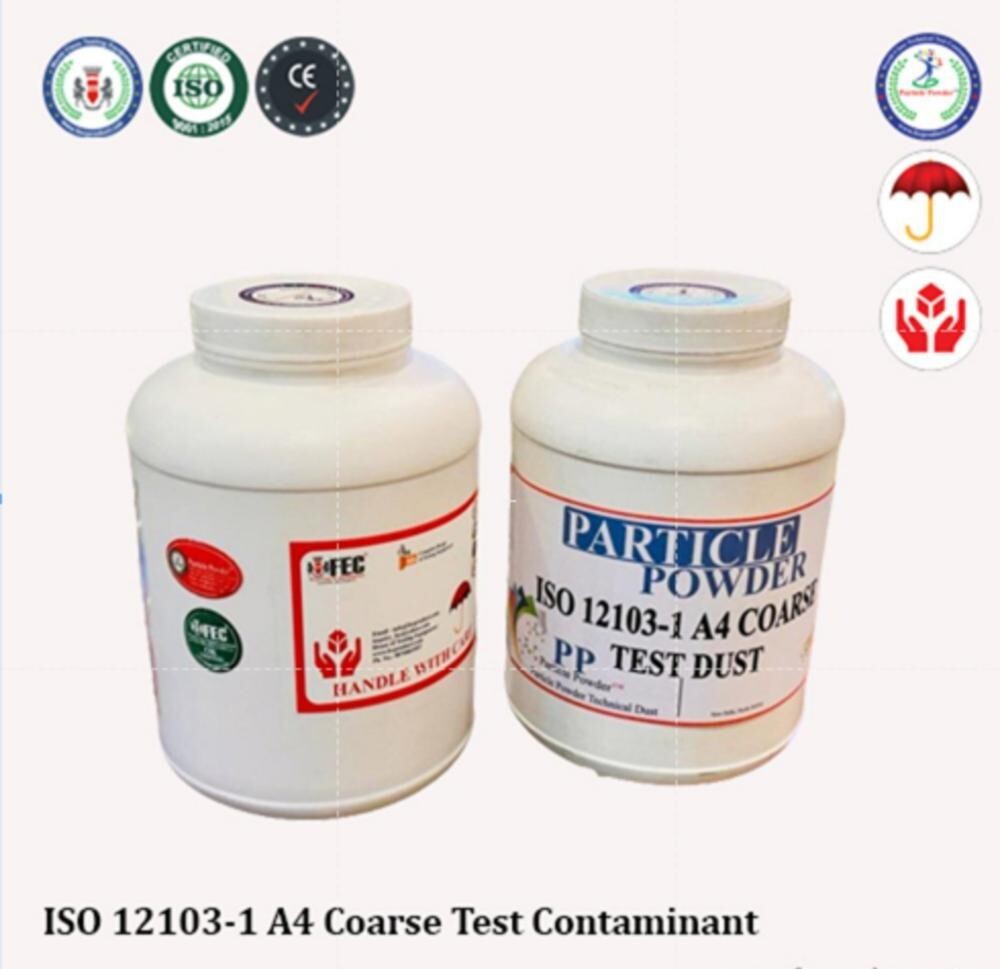
Tell us about your requirement

Price:
Quantity
Select Unit
- 50
- 100
- 200
- 250
- 500
- 1000+
Additional detail
Mobile number
Email

More Products in Technical Contaminant Particle Powder Category
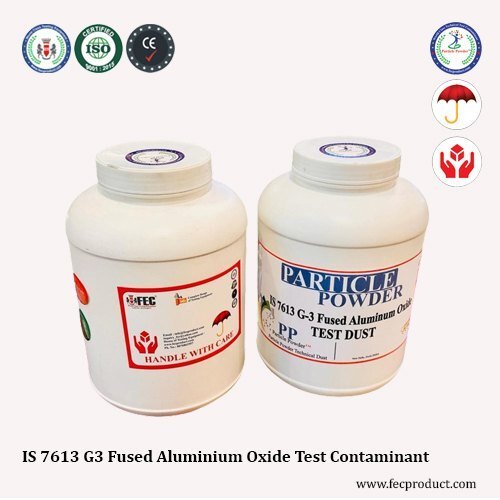
IS 7613 G3 Fused Aluminum
Price 14000.0 INR / Unit
Minimum Order Quantity : 10 Units
Purity : 99%
Appearance : Powder
Grade : Laboratory
Purity(%) : 99%
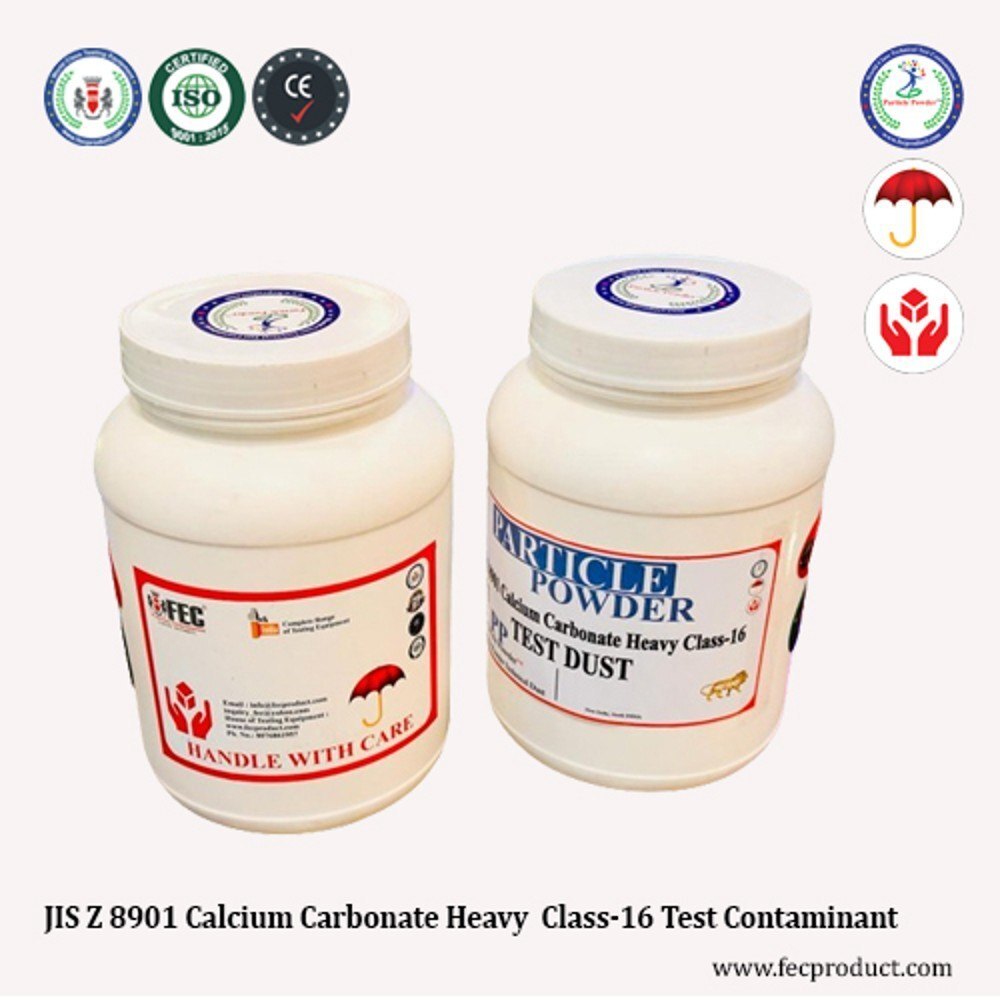
JIS Z Class 16 Calcium Carbonate Heavy
Price 12000.0 INR
Minimum Order Quantity : 1
Purity : 99%
Appearance : White Powder
Grade : JIS Z 8901 Class 16
Purity(%) : 99%
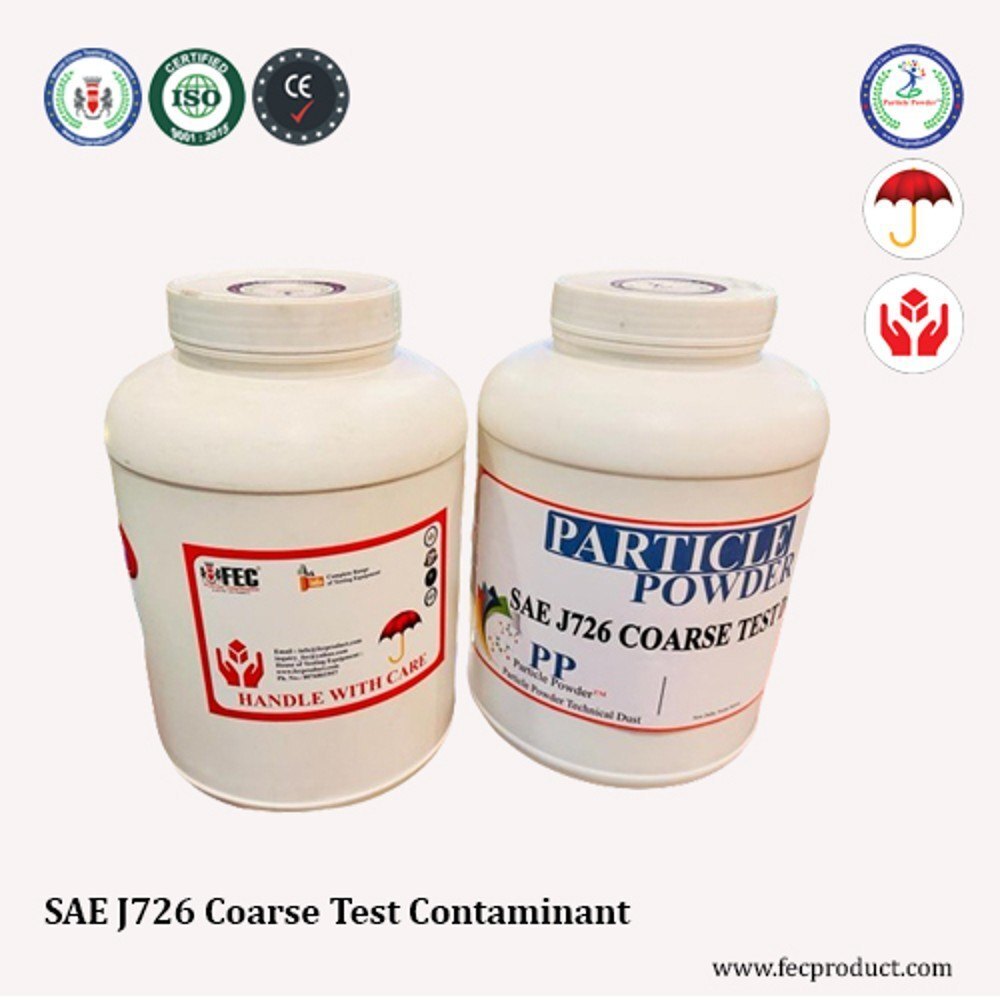
SAE J726 AC Coarse
Price 14000.0 INR / Unit
Minimum Order Quantity : 10 Units
Purity : 99%
Appearance : Powder
Grade : Laboratory
Purity(%) : 99%
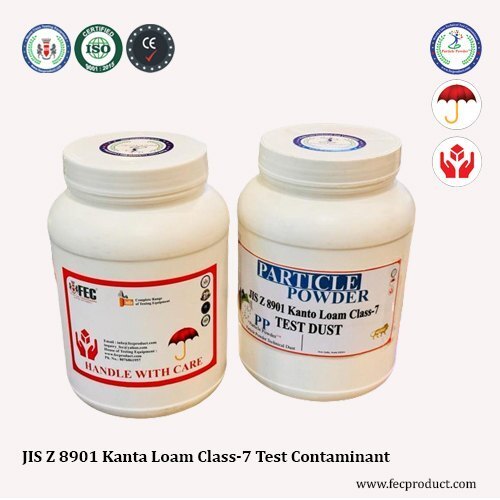
JIS Z 8901 Class 7 Kanta Loam
Price 14000.0 INR / Kilograms
Minimum Order Quantity : 1 Kilograms
Purity : High Suitable for industrial testing
Appearance : Particle Powder
Grade : Laboratory
Purity(%) : 99%

 Send Inquiry
Our Products
- Technical Contaminant Particle Powder
- Deep Freezer
- Sample Gsm Cutter
- Particle Powder Technical Contaminant
- Air Filter and Cabin Test Equipment
- HVAC Air Filter Test Equipment
- Oil Filter Test Equipment
- Fuel Filter Test Equipment
- RO and Water Filter Test Equipment
- Filtration Media Test Equipment
- Face Mask Test Equipment
- Automobile Paint And Plating Equipment
- Environmental Chambers
- Paper Packaging Test Equipment
- Footwear And Rubber Test Equipment
- Radiator And Puff Panel Test Equipment
- Humidity Chamber
- Smoke Density Tester
- Analytical Balance

Plot No-35, K-1 Extn., Bank Wali Gali Gurudwara Road, Mohan Garden, Uttam Nagar,New Delhi - 110059, India

Mr T.P. P. Saxena
(Proprietor)
Mobile :08071931208
 Send Inquiry
Developed and Managed by Infocom Network Private Limited.
